
Forum
»
Trailer for "The Woman King" (female version of 300)
 07-07-2022, 09:39 AM
-
#1
- Maestro
- отличнo!
-

- Maestro
- отличнo!
- Join Date: Oct 2002
- Location: New Mexico, United States
- Posts: 58,400
- Rep Power: 203698
-
-

Trailer for "The Woman King" (female version of 300)
This can either be really good or complete chit, but it's inspired by a true events (the Dahomey Amazons) so I'm curious to see how truthful they stay to the story.
07-07-2022, 09:40 AM
-
#2


 07-07-2022, 09:43 AM
-
#4
07-07-2022, 09:43 AM
-
#5
 07-07-2022, 09:44 AM
-
#6
07-07-2022, 09:45 AM
-
#7
 07-07-2022, 09:45 AM
-
#8
07-07-2022, 09:46 AM
-
#9
- GoobyPls
- Registered User
-

- GoobyPls
- Registered User
- Join Date: Apr 2012
- Posts: 10,990
- Rep Power: 64796
-
-
hopefully they dont leave this out:
The Kingdom of Dahomey was an important regional power that had an organized domestic economy built on conquest and slave labor. The growth of Dahomey coincided with the growth of the Atlantic slave trade, and it became known to Europeans as a major supplier of slaves.[2] As a highly militaristic kingdom constantly organised for warfare, it captured children, women, and men during wars and raids against neighboring societies, and sold them into the Atlantic slave trade in exchange for European goods such as rifles, gunpowder, fabrics, cowrie shells, tobacco, pipes, and alcohol.[5][6] Other remaining captives became slaves in Dahomey, where they worked on royal plantations and were routinely mass executed in large-scale human sacrifices during the festival celebrations known as the Annual Customs of Dahomey. In the 1840s, Dahomey began to face decline with British pressure to abolish the slave trade, which included the British Royal Navy imposing a naval blockade against the kingdom and enforcing anti-slavery patrols near its coast.[7] During this time period, Dahomey was also weakened by military defeat from Abeokuta, a Yoruba city-state which was founded as a safe haven for refugees escaping slave raids from Dahomey.[8] Dahomey later began experiencing territorial tensions with France which led to the First Franco-Dahomean War in 1890, resulting in French victory. The kingdom finally fell in 1894 when the last king, Béhanzin, was defeated by France in the Second Franco-Dahomean War, leading to the country being annexed into French West Africa as the colony of French Dahomey.
The Kingdom of Dahomey was an important regional power that had an organized domestic economy built on conquest and slave labor. The growth of Dahomey coincided with the growth of the Atlantic slave trade, and it became known to Europeans as a major supplier of slaves.[2] As a highly militaristic kingdom constantly organised for warfare, it captured children, women, and men during wars and raids against neighboring societies, and sold them into the Atlantic slave trade in exchange for European goods such as rifles, gunpowder, fabrics, cowrie shells, tobacco, pipes, and alcohol.[5][6] Other remaining captives became slaves in Dahomey, where they worked on royal plantations and were routinely mass executed in large-scale human sacrifices during the festival celebrations known as the Annual Customs of Dahomey. In the 1840s, Dahomey began to face decline with British pressure to abolish the slave trade, which included the British Royal Navy imposing a naval blockade against the kingdom and enforcing anti-slavery patrols near its coast.[7] During this time period, Dahomey was also weakened by military defeat from Abeokuta, a Yoruba city-state which was founded as a safe haven for refugees escaping slave raids from Dahomey.[8] Dahomey later began experiencing territorial tensions with France which led to the First Franco-Dahomean War in 1890, resulting in French victory. The kingdom finally fell in 1894 when the last king, Béhanzin, was defeated by France in the Second Franco-Dahomean War, leading to the country being annexed into French West Africa as the colony of French Dahomey.
07-07-2022, 09:46 AM
-
#10
07-07-2022, 09:46 AM
-
#11
07-07-2022, 09:48 AM
-
#12
- BraneyGumble
- Registered User
-

- BraneyGumble
- Registered User
- Join Date: May 2013
- Age: 41
- Posts: 25,426
- Rep Power: 248871
-
-
First Franco-Dahomean War
European encroachment into West Africa gained pace during the latter half of the 19th century, and in 1890 King Béhanzin started fighting French forces in the course of the First Franco-Dahomean War. European observers noted that the women "handled admirably" in hand-to-hand combat, but fired their flintlocks from the hip rather than firing from the shoulder.[9] The Amazons participated in one major battle: Cotonou, where thousands of Dahomey (including many Amazons) charged the French lines and engaged the defenders in hand-to-hand combat.Despite the compliments given to them by the Europeans, the Amazons were decisively crushed, with several hundred Dahomey troops being gunned down while reportedly 129 Dahomey were killed in melee combat within the French lines.[15]
Second Franco-Dahomean War
By the end of the Second Franco-Dahomean War, special units of the Amazons were being assigned specifically to target French officers.[16] After several battles, the French prevailed in the Second Franco-Dahomean War and put an end to the independent Dahomean kingdom. French soldiers, particularly of the French Foreign Legion, were impressed by the boldness of the Amazons and later wrote about their "incredible courage and audacity" in combat.Against a military unit with decidedly superior weaponry and a longer bayonet, however, the Dahomey Amazons could not prevail.[10] During a battle with French soldiers at Adegon on 6 October during the second war, the bulk of the Amazon corps were wiped out in a matter of hours in hand-to-hand combat after the French engaged them with a bayonet charge.[17]
Really stoked right now, boyos.
European encroachment into West Africa gained pace during the latter half of the 19th century, and in 1890 King Béhanzin started fighting French forces in the course of the First Franco-Dahomean War. European observers noted that the women "handled admirably" in hand-to-hand combat, but fired their flintlocks from the hip rather than firing from the shoulder.[9] The Amazons participated in one major battle: Cotonou, where thousands of Dahomey (including many Amazons) charged the French lines and engaged the defenders in hand-to-hand combat.Despite the compliments given to them by the Europeans, the Amazons were decisively crushed, with several hundred Dahomey troops being gunned down while reportedly 129 Dahomey were killed in melee combat within the French lines.[15]
Second Franco-Dahomean War
By the end of the Second Franco-Dahomean War, special units of the Amazons were being assigned specifically to target French officers.[16] After several battles, the French prevailed in the Second Franco-Dahomean War and put an end to the independent Dahomean kingdom. French soldiers, particularly of the French Foreign Legion, were impressed by the boldness of the Amazons and later wrote about their "incredible courage and audacity" in combat.Against a military unit with decidedly superior weaponry and a longer bayonet, however, the Dahomey Amazons could not prevail.[10] During a battle with French soldiers at Adegon on 6 October during the second war, the bulk of the Amazon corps were wiped out in a matter of hours in hand-to-hand combat after the French engaged them with a bayonet charge.[17]
Really stoked right now, boyos.
07-07-2022, 09:48 AM
-
#13

- Muzzlrpress
- Join Date: Jan 2011
- Location: United States
- Posts: 104,332
- Rep Power: 993953
-
-
So The Queen then?
I'm back, bitches!
07-07-2022, 09:49 AM
-
#14
- Goat_187
- Registered User
-

- Goat_187
- Registered User
- Join Date: Nov 2008
- Location: Miami, Florida, United States
- Age: 40
- Posts: 26,316
- Rep Power: 93130
-
-
Originally Posted By GoobyPls⏩
brutalhopefully they dont leave this out:
The Kingdom of Dahomey was an important regional power that had an organized domestic economy built on conquest and slave labor. The growth of Dahomey coincided with the growth of the Atlantic slave trade, and it became known to Europeans as a major supplier of slaves.[2] As a highly militaristic kingdom constantly organised for warfare, it captured children, women, and men during wars and raids against neighboring societies, and sold them into the Atlantic slave trade in exchange for European goods such as rifles, gunpowder, fabrics, cowrie shells, tobacco, pipes, and alcohol.[5][6] Other remaining captives became slaves in Dahomey, where they worked on royal plantations and were routinely mass executed in large-scale human sacrifices during the festival celebrations known as the Annual Customs of Dahomey. In the 1840s, Dahomey began to face decline with British pressure to abolish the slave trade, which included the British Royal Navy imposing a naval blockade against the kingdom and enforcing anti-slavery patrols near its coast.[7] During this time period, Dahomey was also weakened by military defeat from Abeokuta, a Yoruba city-state which was founded as a safe haven for refugees escaping slave raids from Dahomey.[8] Dahomey later began experiencing territorial tensions with France which led to the First Franco-Dahomean War in 1890, resulting in French victory. The kingdom finally fell in 1894 when the last king, Béhanzin, was defeated by France in the Second Franco-Dahomean War, leading to the country being annexed into French West Africa as the colony of French Dahomey.
The Kingdom of Dahomey was an important regional power that had an organized domestic economy built on conquest and slave labor. The growth of Dahomey coincided with the growth of the Atlantic slave trade, and it became known to Europeans as a major supplier of slaves.[2] As a highly militaristic kingdom constantly organised for warfare, it captured children, women, and men during wars and raids against neighboring societies, and sold them into the Atlantic slave trade in exchange for European goods such as rifles, gunpowder, fabrics, cowrie shells, tobacco, pipes, and alcohol.[5][6] Other remaining captives became slaves in Dahomey, where they worked on royal plantations and were routinely mass executed in large-scale human sacrifices during the festival celebrations known as the Annual Customs of Dahomey. In the 1840s, Dahomey began to face decline with British pressure to abolish the slave trade, which included the British Royal Navy imposing a naval blockade against the kingdom and enforcing anti-slavery patrols near its coast.[7] During this time period, Dahomey was also weakened by military defeat from Abeokuta, a Yoruba city-state which was founded as a safe haven for refugees escaping slave raids from Dahomey.[8] Dahomey later began experiencing territorial tensions with France which led to the First Franco-Dahomean War in 1890, resulting in French victory. The kingdom finally fell in 1894 when the last king, Béhanzin, was defeated by France in the Second Franco-Dahomean War, leading to the country being annexed into French West Africa as the colony of French Dahomey.
kert
07-07-2022, 09:49 AM
-
#15
- chrsschb
- Techno Brah
-

- chrsschb
- Techno Brah
- Join Date: Dec 2010
- Location: Georgia, United States
- Age: 41
- Posts: 12,342
- Rep Power: 83349
-
-
Originally Posted By GoobyPls⏩
Wouldn't count on it. Can't have the world believing blacks sold themselves into slavery.hopefully they dont leave this out:
The Kingdom of Dahomey was an important regional power that had an organized domestic economy built on conquest and slave labor. The growth of Dahomey coincided with the growth of the Atlantic slave trade, and it became known to Europeans as a major supplier of slaves.[2] As a highly militaristic kingdom constantly organised for warfare, it captured children, women, and men during wars and raids against neighboring societies, and sold them into the Atlantic slave trade in exchange for European goods such as rifles, gunpowder, fabrics, cowrie shells, tobacco, pipes, and alcohol.[5][6] Other remaining captives became slaves in Dahomey, where they worked on royal plantations and were routinely mass executed in large-scale human sacrifices during the festival celebrations known as the Annual Customs of Dahomey. In the 1840s, Dahomey began to face decline with British pressure to abolish the slave trade, which included the British Royal Navy imposing a naval blockade against the kingdom and enforcing anti-slavery patrols near its coast.[7] During this time period, Dahomey was also weakened by military defeat from Abeokuta, a Yoruba city-state which was founded as a safe haven for refugees escaping slave raids from Dahomey.[8] Dahomey later began experiencing territorial tensions with France which led to the First Franco-Dahomean War in 1890, resulting in French victory. The kingdom finally fell in 1894 when the last king, Béhanzin, was defeated by France in the Second Franco-Dahomean War, leading to the country being annexed into French West Africa as the colony of French Dahomey.
The Kingdom of Dahomey was an important regional power that had an organized domestic economy built on conquest and slave labor. The growth of Dahomey coincided with the growth of the Atlantic slave trade, and it became known to Europeans as a major supplier of slaves.[2] As a highly militaristic kingdom constantly organised for warfare, it captured children, women, and men during wars and raids against neighboring societies, and sold them into the Atlantic slave trade in exchange for European goods such as rifles, gunpowder, fabrics, cowrie shells, tobacco, pipes, and alcohol.[5][6] Other remaining captives became slaves in Dahomey, where they worked on royal plantations and were routinely mass executed in large-scale human sacrifices during the festival celebrations known as the Annual Customs of Dahomey. In the 1840s, Dahomey began to face decline with British pressure to abolish the slave trade, which included the British Royal Navy imposing a naval blockade against the kingdom and enforcing anti-slavery patrols near its coast.[7] During this time period, Dahomey was also weakened by military defeat from Abeokuta, a Yoruba city-state which was founded as a safe haven for refugees escaping slave raids from Dahomey.[8] Dahomey later began experiencing territorial tensions with France which led to the First Franco-Dahomean War in 1890, resulting in French victory. The kingdom finally fell in 1894 when the last king, Béhanzin, was defeated by France in the Second Franco-Dahomean War, leading to the country being annexed into French West Africa as the colony of French Dahomey.
Originally Posted By BraneyGumble⏩
First Franco-Dahomean War
European encroachment into West Africa gained pace during the latter half of the 19th century, and in 1890 King Béhanzin started fighting French forces in the course of the First Franco-Dahomean War. European observers noted that the women "handled admirably" in hand-to-hand combat, but fired their flintlocks from the hip rather than firing from the shoulder.[9] The Amazons participated in one major battle: Cotonou, where thousands of Dahomey (including many Amazons) charged the French lines and engaged the defenders in hand-to-hand combat.Despite the compliments given to them by the Europeans, the Amazons were decisively crushed, with several hundred Dahomey troops being gunned down while reportedly 129 Dahomey were killed in melee combat within the French lines.[15]
Second Franco-Dahomean War
By the end of the Second Franco-Dahomean War, special units of the Amazons were being assigned specifically to target French officers.[16] After several battles, the French prevailed in the Second Franco-Dahomean War and put an end to the independent Dahomean kingdom. French soldiers, particularly of the French Foreign Legion, were impressed by the boldness of the Amazons and later wrote about their "incredible courage and audacity" in combat.Against a military unit with decidedly superior weaponry and a longer bayonet, however, the Dahomey Amazons could not prevail.[10] During a battle with French soldiers at Adegon on 6 October during the second war, the bulk of the Amazon corps were wiped out in a matter of hours in hand-to-hand combat after the French engaged them with a bayonet charge.[17]
Really stoked right now, boyos.
European encroachment into West Africa gained pace during the latter half of the 19th century, and in 1890 King Béhanzin started fighting French forces in the course of the First Franco-Dahomean War. European observers noted that the women "handled admirably" in hand-to-hand combat, but fired their flintlocks from the hip rather than firing from the shoulder.[9] The Amazons participated in one major battle: Cotonou, where thousands of Dahomey (including many Amazons) charged the French lines and engaged the defenders in hand-to-hand combat.Despite the compliments given to them by the Europeans, the Amazons were decisively crushed, with several hundred Dahomey troops being gunned down while reportedly 129 Dahomey were killed in melee combat within the French lines.[15]
Second Franco-Dahomean War
By the end of the Second Franco-Dahomean War, special units of the Amazons were being assigned specifically to target French officers.[16] After several battles, the French prevailed in the Second Franco-Dahomean War and put an end to the independent Dahomean kingdom. French soldiers, particularly of the French Foreign Legion, were impressed by the boldness of the Amazons and later wrote about their "incredible courage and audacity" in combat.Against a military unit with decidedly superior weaponry and a longer bayonet, however, the Dahomey Amazons could not prevail.[10] During a battle with French soldiers at Adegon on 6 October during the second war, the bulk of the Amazon corps were wiped out in a matter of hours in hand-to-hand combat after the French engaged them with a bayonet charge.[17]
Really stoked right now, boyos.

|| MFC || C7 Crew || Trance & Techno Crew ||
07-07-2022, 09:50 AM
-
#16
- Howiester
- hamsterbrah
-

- Howiester
- hamsterbrah
- Join Date: Nov 2008
- Location: California, United States
- Posts: 29,792
- Rep Power: 237074
-
-
Originally Posted By GoobyPls⏩
Based on POWERFUL true eventshopefully they dont leave this out:
The Kingdom of Dahomey was an important regional power that had an organized domestic economy built on conquest and slave labor. The growth of Dahomey coincided with the growth of the Atlantic slave trade, and it became known to Europeans as a major supplier of slaves.[2] As a highly militaristic kingdom constantly organised for warfare, it captured children, women, and men during wars and raids against neighboring societies, and sold them into the Atlantic slave trade in exchange for European goods such as rifles, gunpowder, fabrics, cowrie shells, tobacco, pipes, and alcohol.[5][6] Other remaining captives became slaves in Dahomey, where they worked on royal plantations and were routinely mass executed in large-scale human sacrifices during the festival celebrations known as the Annual Customs of Dahomey. In the 1840s, Dahomey began to face decline with British pressure to abolish the slave trade, which included the British Royal Navy imposing a naval blockade against the kingdom and enforcing anti-slavery patrols near its coast.[7] During this time period, Dahomey was also weakened by military defeat from Abeokuta, a Yoruba city-state which was founded as a safe haven for refugees escaping slave raids from Dahomey.[8] Dahomey later began experiencing territorial tensions with France which led to the First Franco-Dahomean War in 1890, resulting in French victory. The kingdom finally fell in 1894 when the last king, Béhanzin, was defeated by France in the Second Franco-Dahomean War, leading to the country being annexed into French West Africa as the colony of French Dahomey.
The Kingdom of Dahomey was an important regional power that had an organized domestic economy built on conquest and slave labor. The growth of Dahomey coincided with the growth of the Atlantic slave trade, and it became known to Europeans as a major supplier of slaves.[2] As a highly militaristic kingdom constantly organised for warfare, it captured children, women, and men during wars and raids against neighboring societies, and sold them into the Atlantic slave trade in exchange for European goods such as rifles, gunpowder, fabrics, cowrie shells, tobacco, pipes, and alcohol.[5][6] Other remaining captives became slaves in Dahomey, where they worked on royal plantations and were routinely mass executed in large-scale human sacrifices during the festival celebrations known as the Annual Customs of Dahomey. In the 1840s, Dahomey began to face decline with British pressure to abolish the slave trade, which included the British Royal Navy imposing a naval blockade against the kingdom and enforcing anti-slavery patrols near its coast.[7] During this time period, Dahomey was also weakened by military defeat from Abeokuta, a Yoruba city-state which was founded as a safe haven for refugees escaping slave raids from Dahomey.[8] Dahomey later began experiencing territorial tensions with France which led to the First Franco-Dahomean War in 1890, resulting in French victory. The kingdom finally fell in 1894 when the last king, Béhanzin, was defeated by France in the Second Franco-Dahomean War, leading to the country being annexed into French West Africa as the colony of French Dahomey.
It is the current year.
07-07-2022, 09:51 AM
-
#17
- leafs43
- Registered User
-

- leafs43
- Registered User
- Join Date: Apr 2007
- Age: 45
- Posts: 45,367
- Rep Power: 153657
-
-
Originally Posted By BraneyGumble⏩
You post these facts on social media, the urban youth response would be, "Ur goofy ass aint know real history. We waz kangs"First Franco-Dahomean War
European encroachment into West Africa gained pace during the latter half of the 19th century, and in 1890 King Béhanzin started fighting French forces in the course of the First Franco-Dahomean War. European observers noted that the women "handled admirably" in hand-to-hand combat, but fired their flintlocks from the hip rather than firing from the shoulder.[9] The Amazons participated in one major battle: Cotonou, where thousands of Dahomey (including many Amazons) charged the French lines and engaged the defenders in hand-to-hand combat.Despite the compliments given to them by the Europeans, the Amazons were decisively crushed, with several hundred Dahomey troops being gunned down while reportedly 129 Dahomey were killed in melee combat within the French lines.[15]
Second Franco-Dahomean War
By the end of the Second Franco-Dahomean War, special units of the Amazons were being assigned specifically to target French officers.[16] After several battles, the French prevailed in the Second Franco-Dahomean War and put an end to the independent Dahomean kingdom. French soldiers, particularly of the French Foreign Legion, were impressed by the boldness of the Amazons and later wrote about their "incredible courage and audacity" in combat.Against a military unit with decidedly superior weaponry and a longer bayonet, however, the Dahomey Amazons could not prevail.[10] During a battle with French soldiers at Adegon on 6 October during the second war, the bulk of the Amazon corps were wiped out in a matter of hours in hand-to-hand combat after the French engaged them with a bayonet charge.[17]
Really stoked right now, boyos.
European encroachment into West Africa gained pace during the latter half of the 19th century, and in 1890 King Béhanzin started fighting French forces in the course of the First Franco-Dahomean War. European observers noted that the women "handled admirably" in hand-to-hand combat, but fired their flintlocks from the hip rather than firing from the shoulder.[9] The Amazons participated in one major battle: Cotonou, where thousands of Dahomey (including many Amazons) charged the French lines and engaged the defenders in hand-to-hand combat.Despite the compliments given to them by the Europeans, the Amazons were decisively crushed, with several hundred Dahomey troops being gunned down while reportedly 129 Dahomey were killed in melee combat within the French lines.[15]
Second Franco-Dahomean War
By the end of the Second Franco-Dahomean War, special units of the Amazons were being assigned specifically to target French officers.[16] After several battles, the French prevailed in the Second Franco-Dahomean War and put an end to the independent Dahomean kingdom. French soldiers, particularly of the French Foreign Legion, were impressed by the boldness of the Amazons and later wrote about their "incredible courage and audacity" in combat.Against a military unit with decidedly superior weaponry and a longer bayonet, however, the Dahomey Amazons could not prevail.[10] During a battle with French soldiers at Adegon on 6 October during the second war, the bulk of the Amazon corps were wiped out in a matter of hours in hand-to-hand combat after the French engaged them with a bayonet charge.[17]
Really stoked right now, boyos.
07-07-2022, 09:51 AM
-
#18
 07-07-2022, 09:52 AM
-
#19
Originally Posted By Maestro⏩
JFL if this trailer does not set off your BS propaganda detector. Just a single post later, my skepticism is fully restored. Hit me back when they depict these "powerful true events":I mean, a 5 second google search would fix your skepticism, but im sure as a movie it will exaggerate some aspects of their story.
Originally Posted By GoobyPls⏩
hopefully they dont leave this out:
The Kingdom of Dahomey was an important regional power that had an organized domestic economy built on conquest and slave labor. The growth of Dahomey coincided with the growth of the Atlantic slave trade, and it became known to Europeans as a major supplier of slaves.[2] As a highly militaristic kingdom constantly organised for warfare, it captured children, women, and men during wars and raids against neighboring societies, and sold them into the Atlantic slave trade in exchange for European goods such as rifles, gunpowder, fabrics, cowrie shells, tobacco, pipes, and alcohol.[5][6] Other remaining captives became slaves in Dahomey, where they worked on royal plantations and were routinely mass executed in large-scale human sacrifices during the festival celebrations known as the Annual Customs of Dahomey. In the 1840s, Dahomey began to face decline with British pressure to abolish the slave trade, which included the British Royal Navy imposing a naval blockade against the kingdom and enforcing anti-slavery patrols near its coast.[7] During this time period, Dahomey was also weakened by military defeat from Abeokuta, a Yoruba city-state which was founded as a safe haven for refugees escaping slave raids from Dahomey.[8] Dahomey later began experiencing territorial tensions with France which led to the First Franco-Dahomean War in 1890, resulting in French victory. The kingdom finally fell in 1894 when the last king, Béhanzin, was defeated by France in the Second Franco-Dahomean War, leading to the country being annexed into French West Africa as the colony of French Dahomey.
The Kingdom of Dahomey was an important regional power that had an organized domestic economy built on conquest and slave labor. The growth of Dahomey coincided with the growth of the Atlantic slave trade, and it became known to Europeans as a major supplier of slaves.[2] As a highly militaristic kingdom constantly organised for warfare, it captured children, women, and men during wars and raids against neighboring societies, and sold them into the Atlantic slave trade in exchange for European goods such as rifles, gunpowder, fabrics, cowrie shells, tobacco, pipes, and alcohol.[5][6] Other remaining captives became slaves in Dahomey, where they worked on royal plantations and were routinely mass executed in large-scale human sacrifices during the festival celebrations known as the Annual Customs of Dahomey. In the 1840s, Dahomey began to face decline with British pressure to abolish the slave trade, which included the British Royal Navy imposing a naval blockade against the kingdom and enforcing anti-slavery patrols near its coast.[7] During this time period, Dahomey was also weakened by military defeat from Abeokuta, a Yoruba city-state which was founded as a safe haven for refugees escaping slave raids from Dahomey.[8] Dahomey later began experiencing territorial tensions with France which led to the First Franco-Dahomean War in 1890, resulting in French victory. The kingdom finally fell in 1894 when the last king, Béhanzin, was defeated by France in the Second Franco-Dahomean War, leading to the country being annexed into French West Africa as the colony of French Dahomey.
07-07-2022, 09:52 AM
-
#20

fkin lmao
Meanwhile in reality
Edit: Should have read thread first
still fkin lmao
Meanwhile in reality
The growth of Dahomey coincided with the growth of the Atlantic slave trade, and it became known to Europeans as a major supplier of slaves.[2] As a highly militaristic kingdom constantly organised for warfare, it captured children, women, and men during wars and raids against neighboring societies, and sold them into the Atlantic slave trade in exchange for European goods such as rifles, gunpowder, fabrics, cowrie shells, tobacco, pipes, and alcohol.[5][6] Other remaining captives became slaves in Dahomey, where they worked on royal plantations and were routinely mass executed in large-scale human sacrifices during the festival celebrations known as the Annual Customs of Dahomey.
In the 1840s, Dahomey began to face decline with British pressure to abolish the slave trade, which included the British Royal Navy imposing a naval blockade against the kingdom and enforcing anti-slavery patrols near its coast.[7] During this time period, Dahomey was also weakened by military defeat from Abeokuta, a Yoruba city-state which was founded as a safe haven for refugees escaping slave raids from Dahomey.
I wonder how many of thesePOWERFUL TRUE EVENTSwill be exploredEdit: Should have read thread first
still fkin lmao
07-07-2022, 09:53 AM
-
#21
- BraneyGumble
- Registered User
-
- BraneyGumble
- Registered User
- Join Date: May 2013
- Age: 41
- Posts: 25,426
- Rep Power: 248871
-
-
Originally Posted By Muzzlrpress⏩
No, that will be the sequel, the Man Queen.So The Queen then?
07-07-2022, 09:53 AM
-
#22
- Maestro
- отличнo!
-
- Maestro
- отличнo!
- Join Date: Oct 2002
- Location: New Mexico, United States
- Posts: 58,400
- Rep Power: 203698
-
-
Originally Posted By GoobyPls⏩
If the story is about the founding of the Dahomay Amazons then it may not touch on it, but we'll see.hopefully they dont leave this out:
The Kingdom of Dahomey was an important regional power that had an organized domestic economy built on conquest and slave labor. The growth of Dahomey coincided with the growth of the Atlantic slave trade, and it became known to Europeans as a major supplier of slaves.[2] As a highly militaristic kingdom constantly organised for warfare, it captured children, women, and men during wars and raids against neighboring societies, and sold them into the Atlantic slave trade in exchange for European goods such as rifles, gunpowder, fabrics, cowrie shells, tobacco, pipes, and alcohol.[5][6] Other remaining captives became slaves in Dahomey, where they worked on royal plantations and were routinely mass executed in large-scale human sacrifices during the festival celebrations known as the Annual Customs of Dahomey. In the 1840s, Dahomey began to face decline with British pressure to abolish the slave trade, which included the British Royal Navy imposing a naval blockade against the kingdom and enforcing anti-slavery patrols near its coast.[7] During this time period, Dahomey was also weakened by military defeat from Abeokuta, a Yoruba city-state which was founded as a safe haven for refugees escaping slave raids from Dahomey.[8] Dahomey later began experiencing territorial tensions with France which led to the First Franco-Dahomean War in 1890, resulting in French victory. The kingdom finally fell in 1894 when the last king, Béhanzin, was defeated by France in the Second Franco-Dahomean War, leading to the country being annexed into French West Africa as the colony of French Dahomey.
The Kingdom of Dahomey was an important regional power that had an organized domestic economy built on conquest and slave labor. The growth of Dahomey coincided with the growth of the Atlantic slave trade, and it became known to Europeans as a major supplier of slaves.[2] As a highly militaristic kingdom constantly organised for warfare, it captured children, women, and men during wars and raids against neighboring societies, and sold them into the Atlantic slave trade in exchange for European goods such as rifles, gunpowder, fabrics, cowrie shells, tobacco, pipes, and alcohol.[5][6] Other remaining captives became slaves in Dahomey, where they worked on royal plantations and were routinely mass executed in large-scale human sacrifices during the festival celebrations known as the Annual Customs of Dahomey. In the 1840s, Dahomey began to face decline with British pressure to abolish the slave trade, which included the British Royal Navy imposing a naval blockade against the kingdom and enforcing anti-slavery patrols near its coast.[7] During this time period, Dahomey was also weakened by military defeat from Abeokuta, a Yoruba city-state which was founded as a safe haven for refugees escaping slave raids from Dahomey.[8] Dahomey later began experiencing territorial tensions with France which led to the First Franco-Dahomean War in 1890, resulting in French victory. The kingdom finally fell in 1894 when the last king, Béhanzin, was defeated by France in the Second Franco-Dahomean War, leading to the country being annexed into French West Africa as the colony of French Dahomey.
07-07-2022, 09:55 AM
-
#23
Originally Posted By GoobyPls⏩
Damn. They turned on their own homeys.hopefully they dont leave this out:
The Kingdom of Dahomey was an important regional power that had an organized domestic economy built on conquest and slave labor. The growth of Dahomey coincided with the growth of the Atlantic slave trade, and it became known to Europeans as a major supplier of slaves.[2] As a highly militaristic kingdom constantly organised for warfare, it captured children, women, and men during wars and raids against neighboring societies, and sold them into the Atlantic slave trade in exchange for European goods such as rifles, gunpowder, fabrics, cowrie shells, tobacco, pipes, and alcohol.[5][6] Other remaining captives became slaves in Dahomey, where they worked on royal plantations and were routinely mass executed in large-scale human sacrifices during the festival celebrations known as the Annual Customs of Dahomey. In the 1840s, Dahomey began to face decline with British pressure to abolish the slave trade, which included the British Royal Navy imposing a naval blockade against the kingdom and enforcing anti-slavery patrols near its coast.[7] During this time period, Dahomey was also weakened by military defeat from Abeokuta, a Yoruba city-state which was founded as a safe haven for refugees escaping slave raids from Dahomey.[8] Dahomey later began experiencing territorial tensions with France which led to the First Franco-Dahomean War in 1890, resulting in French victory. The kingdom finally fell in 1894 when the last king, Béhanzin, was defeated by France in the Second Franco-Dahomean War, leading to the country being annexed into French West Africa as the colony of French Dahomey.
The Kingdom of Dahomey was an important regional power that had an organized domestic economy built on conquest and slave labor. The growth of Dahomey coincided with the growth of the Atlantic slave trade, and it became known to Europeans as a major supplier of slaves.[2] As a highly militaristic kingdom constantly organised for warfare, it captured children, women, and men during wars and raids against neighboring societies, and sold them into the Atlantic slave trade in exchange for European goods such as rifles, gunpowder, fabrics, cowrie shells, tobacco, pipes, and alcohol.[5][6] Other remaining captives became slaves in Dahomey, where they worked on royal plantations and were routinely mass executed in large-scale human sacrifices during the festival celebrations known as the Annual Customs of Dahomey. In the 1840s, Dahomey began to face decline with British pressure to abolish the slave trade, which included the British Royal Navy imposing a naval blockade against the kingdom and enforcing anti-slavery patrols near its coast.[7] During this time period, Dahomey was also weakened by military defeat from Abeokuta, a Yoruba city-state which was founded as a safe haven for refugees escaping slave raids from Dahomey.[8] Dahomey later began experiencing territorial tensions with France which led to the First Franco-Dahomean War in 1890, resulting in French victory. The kingdom finally fell in 1894 when the last king, Béhanzin, was defeated by France in the Second Franco-Dahomean War, leading to the country being annexed into French West Africa as the colony of French Dahomey.
07-07-2022, 09:58 AM
-
#24
- BraneyGumble
- Registered User
-
- BraneyGumble
- Registered User
- Join Date: May 2013
- Age: 41
- Posts: 25,426
- Rep Power: 248871
-
-
Originally Posted By Maestro⏩
It's from the very end of their era and the fall of King Star Wars. The protag is Nawi, who apparently was the last living Amazon who fought against the French.If the story is about the founding of the Dahomay Amazons then it may not touch on it, but we'll see.
07-07-2022, 10:05 AM
-
#25
- Muzzlrpress
- Join Date: Jan 2011
- Location: United States
- Posts: 104,332
- Rep Power: 993953
-
-
Originally Posted By BraneyGumble⏩
Sounds like everybody is gonna dieIt's from the very end of their era and the fall of King Star Wars. The protag is Nawi, who apparently was the last living Amazon who fought against the French.
I'm back, bitches!
07-07-2022, 10:07 AM
-
#26
- Shortfuze
- "Your one f*ck fantasy"
-

- Shortfuze
- "Your one f*ck fantasy"
- Join Date: Feb 2004
- Location: United States
- Posts: 31,897
- Rep Power: 179945
-
-
They should have made a movie about Yaa Asantewaa instead. She was the Queen of the Asante Kingdom who fought against British rule. She lost but was not killed in battle. Instead, she was sent to exile and died at the age of 90. I think her story would be less controversial and more relatable to US history of fighting against British rule and instead of a bloody/violent ending, it would end with a peaceful death.
*Simplicity is the key to life*
Thanks ZBlacktt for the mod rep!
Thanks ForumSentinel for the admin rep!
Thanks Gxp23 for the mod rep!
Thanks 400LB Gorilla for the mod rep!
Thanks CountryMike for admin rep!
Thanks Nics1246 for mod rep!
I got married on August 24, 2013!!
ლ(╹◡╹ლ)
07-07-2022, 10:12 AM
-
#27
- BraneyGumble
- Registered User
-
- BraneyGumble
- Registered User
- Join Date: May 2013
- Age: 41
- Posts: 25,426
- Rep Power: 248871
-
-
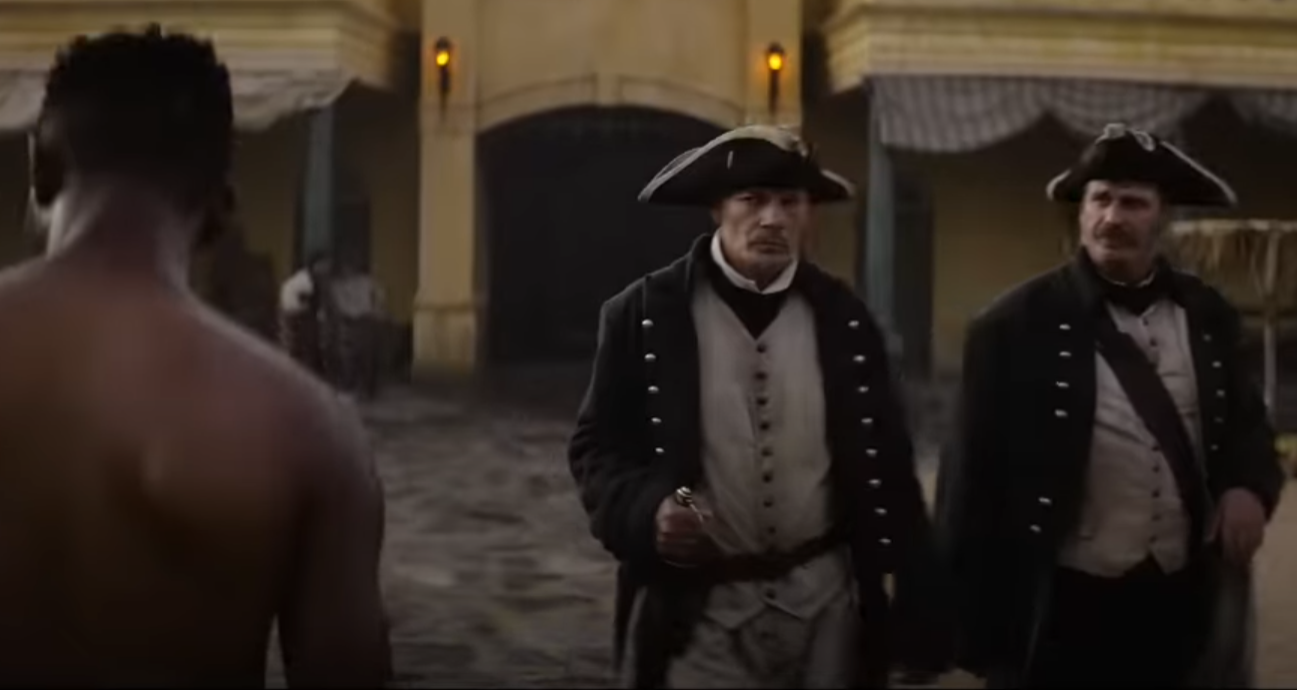
Who made the costumes, lmao. They seem to be a bit out of place for late 19th century. Maybe they had some leftovers from a century or two ago.
07-07-2022, 10:16 AM
-
#28
- Sinan09400
- Registered User
-

- Sinan09400
- Registered User
- Join Date: Dec 2012
- Location: Türkiye, Turkey
- Posts: 23,647
- Rep Power: 73617
-
-
Will they ever come up with something original?
07-07-2022, 10:22 AM
-
#29
07-07-2022, 10:24 AM
-
#30
- Sinan09400
- Registered User
-
- Sinan09400
- Registered User
- Join Date: Dec 2012
- Location: Türkiye, Turkey
- Posts: 23,647
- Rep Power: 73617
-
-
Originally Posted By Maestro⏩
I have watched one:How isn't this original? Has there ever been a movie about the Dahomey amazons?
"Poor little white adventurer vs 5 native ebony amazon ladies"
Bookmarks
-

- Digg
-

- del.icio.us
-

- StumbleUpon
-

-

Posting Permissions
- You may not post new threads
- You may not post replies
- You may not post attachments
- You may not edit your posts