
Forum
»
 ~-~-Official Misc STOICISM thread-~-~
~-~-Official Misc STOICISM thread-~-~
 06-20-2018, 08:41 AM
-
#181
- PineappleMuffin
- 6'1", 150 lbs
-

- PineappleMuffin
- 6'1", 150 lbs
- Join Date: Aug 2011
- Location: Germany
- Posts: 458
- Rep Power: 2595
-
-

Bumping with some Spinoza. This is from Steven Nadler's "Spinoza's Ethics: An Introduction".
The initial therapeutic step in moving toward a more rational
existence, one less troubled by the passions, is to diminish the
strength of those passions by changing one’s beliefs about their
causes. Ordinarily, a person’s love (or hatred) is directed at a single
object, because of his belief that it is that object that has brought
about some improvement (or change for the worse) in his condition.
But to focus all of one’s attention on just that one object is to be
guided by inadequate knowledge, since that object is just one finite
link in an infinitely extended chain of causes. It is thus, at best, only
a partial factor. Spinoza says that
pletely separate the idea of the affect from any external cause
whatsoever and think of it only in connection with other ideas in
the mind. This would seem to have the result that thoughts and
desires so transformed cease altogether to be outwardly directed;
and since love (and hate) are always directed at external things – the
presumed causes of joy (and sadness) – they would consequently
disappear. Passions would thereby be replaced by knowledge. This
transformative reading is often suggested by Spinoza’s language: he
speaks on occasion of the “removal” of a passion (VP20s), or of an
affect “ceasing to be a passion” (VP3). However, it sometimes seems
that what Spinoza is saying is that one should separate the affect
from the idea of any single external cause and look at it in the
grander causal scheme of things. In this way, the intense love or
hatred that is directed at one thing becomes more diffuse and
weaker as it is spread out over many things. “If an affect is related
to more and different causes which the mind considers together with
the affect itself, it is less harmful, we are less acted on by it, and we
are affected less toward each cause, than is the case with another,
equally great affect, which is related only to one cause, or to fewer
causes” (VP9). In this case, the affect remains a passion but has been
dissipated or weakened.
More generally, the remedy against strong passions that Spinoza
is proposing is the pursuit of an adequate knowledge of those affects.
He argues, in VP3, that “an affect which is a passion ceases to be a
passion as soon as we form a clear and distinct idea of it.” When one
perceives adequately and truly what the causes of an affect are and
why one is experiencing it, a partial, accidental, and passive cogni-
zance of one’s own condition is replaced by fuller insight, and a
feeling is replaced by understanding. Where one once was undergo-
ing a passion, one is now active, since knowledge (adequate ideas)
represents a condition of activity. “The more an affect is known to
us, then, the more it is in our power, and the less the mind is acted
on by it” (VP3c). This transformation in our condition is some-
thing we can do with any passion. “There is no affection of the
body of which we cannot form a clear and distinct concept” (VP4).
What Spinoza is recommending here is that instead of allowing
ourselves to be passively affected by things, we should take the
initiative and transform ourselves into active beings by striving for
a knowledge of ourselves, especially of the ways in which our
bodies (and, correlatively, our minds) respond to and are affected
by things.
The result of such a process is a re-ordering of our ideas. They are
no longer connected according to the order of random experience,
but instead reflect the true causal order of things.
nature,” there is a mind in which ideas have a rational ordering,
what (as we have seen) Spinoza calls “the order of the intellect.”
Now because the order and connection of affections of the body
must be a reflection of the order and connection of ideas in the
mind, this transformation of the mind from passivity to activity,
from emotional responses to understanding, is paralleled by a cor-
relative transformation of our physical condition. “So long as we are
not torn by affects contrary to our nature, we have the power of
ordering and connecting the affections of the body according to the
order of the intellect” (VP10). The body thereby becomes more
resistant to the influences of external things – and especially more
resistant to sadness, a decrease in its powers – and more governed by
the mind itself, since its affects are now set systematically (according
to the order of reason) and not just haphazardly. “By this power of
rightly ordering and connecting the affections of the body, we
can bring it about that we are not easily affected with evil affects.
For (by VP7) a greater force is required for restraining affects
ordered and connected according to the order of the intellect than
for restraining those which are uncertain and random” (VP10s).
Spinoza’s point is that the more one knows about oneself and about
one’s reactions to things (the affects), the more control one can
exercise over those reactions – which, in effect, cease to be reactions
and become actions, anchored as they now are in adequate ideas.
continuedexistence, one less troubled by the passions, is to diminish the
strength of those passions by changing one’s beliefs about their
causes. Ordinarily, a person’s love (or hatred) is directed at a single
object, because of his belief that it is that object that has brought
about some improvement (or change for the worse) in his condition.
But to focus all of one’s attention on just that one object is to be
guided by inadequate knowledge, since that object is just one finite
link in an infinitely extended chain of causes. It is thus, at best, only
a partial factor. Spinoza says that
if we separate emotions, or affects, from the thought of an external cause,
and join them to other thoughts, then the love, or hate, toward the
external cause is destroyed, as are the vacillations of mind arising from
these affects. (VP2)
It may appear that Spinoza is here recommending that one com-and join them to other thoughts, then the love, or hate, toward the
external cause is destroyed, as are the vacillations of mind arising from
these affects. (VP2)
pletely separate the idea of the affect from any external cause
whatsoever and think of it only in connection with other ideas in
the mind. This would seem to have the result that thoughts and
desires so transformed cease altogether to be outwardly directed;
and since love (and hate) are always directed at external things – the
presumed causes of joy (and sadness) – they would consequently
disappear. Passions would thereby be replaced by knowledge. This
transformative reading is often suggested by Spinoza’s language: he
speaks on occasion of the “removal” of a passion (VP20s), or of an
affect “ceasing to be a passion” (VP3). However, it sometimes seems
that what Spinoza is saying is that one should separate the affect
from the idea of any single external cause and look at it in the
grander causal scheme of things. In this way, the intense love or
hatred that is directed at one thing becomes more diffuse and
weaker as it is spread out over many things. “If an affect is related
to more and different causes which the mind considers together with
the affect itself, it is less harmful, we are less acted on by it, and we
are affected less toward each cause, than is the case with another,
equally great affect, which is related only to one cause, or to fewer
causes” (VP9). In this case, the affect remains a passion but has been
dissipated or weakened.
More generally, the remedy against strong passions that Spinoza
is proposing is the pursuit of an adequate knowledge of those affects.
He argues, in VP3, that “an affect which is a passion ceases to be a
passion as soon as we form a clear and distinct idea of it.” When one
perceives adequately and truly what the causes of an affect are and
why one is experiencing it, a partial, accidental, and passive cogni-
zance of one’s own condition is replaced by fuller insight, and a
feeling is replaced by understanding. Where one once was undergo-
ing a passion, one is now active, since knowledge (adequate ideas)
represents a condition of activity. “The more an affect is known to
us, then, the more it is in our power, and the less the mind is acted
on by it” (VP3c). This transformation in our condition is some-
thing we can do with any passion. “There is no affection of the
body of which we cannot form a clear and distinct concept” (VP4).
What Spinoza is recommending here is that instead of allowing
ourselves to be passively affected by things, we should take the
initiative and transform ourselves into active beings by striving for
a knowledge of ourselves, especially of the ways in which our
bodies (and, correlatively, our minds) respond to and are affected
by things.
The result of such a process is a re-ordering of our ideas. They are
no longer connected according to the order of random experience,
but instead reflect the true causal order of things.
We must, therefore, take special care to know each affect clearly and
distinctly (as far as this is possible), so that in this way the mind may be
determined from an affect to thinking those things which it perceives
clearly and distinctly, and with which it is fully satisfied, and so that the
affect itself may be separated from the thought of an external cause and
joined to true thoughts. The result will be not only that love, hate, etc., are
destroyed (by VP2), but also that the appetites, or desires, which usually
arise from such an affect cannot be excessive (by IVP61). (VP4s)
Instead of a mind filled with ideas set by the “common order ofdistinctly (as far as this is possible), so that in this way the mind may be
determined from an affect to thinking those things which it perceives
clearly and distinctly, and with which it is fully satisfied, and so that the
affect itself may be separated from the thought of an external cause and
joined to true thoughts. The result will be not only that love, hate, etc., are
destroyed (by VP2), but also that the appetites, or desires, which usually
arise from such an affect cannot be excessive (by IVP61). (VP4s)
nature,” there is a mind in which ideas have a rational ordering,
what (as we have seen) Spinoza calls “the order of the intellect.”
Now because the order and connection of affections of the body
must be a reflection of the order and connection of ideas in the
mind, this transformation of the mind from passivity to activity,
from emotional responses to understanding, is paralleled by a cor-
relative transformation of our physical condition. “So long as we are
not torn by affects contrary to our nature, we have the power of
ordering and connecting the affections of the body according to the
order of the intellect” (VP10). The body thereby becomes more
resistant to the influences of external things – and especially more
resistant to sadness, a decrease in its powers – and more governed by
the mind itself, since its affects are now set systematically (according
to the order of reason) and not just haphazardly. “By this power of
rightly ordering and connecting the affections of the body, we
can bring it about that we are not easily affected with evil affects.
For (by VP7) a greater force is required for restraining affects
ordered and connected according to the order of the intellect than
for restraining those which are uncertain and random” (VP10s).
Spinoza’s point is that the more one knows about oneself and about
one’s reactions to things (the affects), the more control one can
exercise over those reactions – which, in effect, cease to be reactions
and become actions, anchored as they now are in adequate ideas.
06-20-2018, 08:43 AM
-
#182
- PineappleMuffin
- 6'1", 150 lbs
-
- PineappleMuffin
- 6'1", 150 lbs
- Join Date: Aug 2011
- Location: Germany
- Posts: 458
- Rep Power: 2595
-
-
But VP1–P4 leave the reader wanting to know more about how
this reordering of ideas and affects and setting them in connection
with their adequate causes is supposed to lead to a weakening of the
passions and the strengthening of resistance. Spinoza says that “we
can devise no other remedy for the affects which depends on our
power and is more excellent than this, which consists in a true
knowledge of them. For the mind has no other power than that of
thinking and forming adequate ideas” (VP4s). It is fine to talk in
general terms of knowledge, virtue, power, and activity replacing the
passivity and “bondage” that characterizes a life guided by the senses
and imagination. Somehow the clear and distinct knowledge of
things is supposed to give us a greater control over our emotions.
But what exactly does the person with adequate ideas of the affects see
that the uninformed person does not? And what does it do for him?
VP10 provides only some clarification about the power of knowledge
versus the passions. What we really need now is one of those useful
scholia in which Spinoza leaves his technical language behind and
appeals to something familiar from experience to explain more clearly
what it is we know and how it effects the desired transformation.
Fortunately, he does not disappoint. He reminds us in VP6 that
what adequate knowledge provides is an understanding of the
necessity of things, of the fact that any bodily or mental event is
“determined by an infinite connection of causes to exist and produce
effects.” He then claims that “insofar as the mind understands all
things as necessary, it has a greater power over the affects, or is less
acted upon by them.” This is because when a person sees the
necessity of something, he is less moved or troubled by it. His desire
or anxiety, his hope or fear, are diminished by the perception that
the attainment or loss of that thing is not subject to his will but
necessitated by an infinite number of causal factors.
Spinoza has shown that all of the human emotions, in so far as
they are passions, are constantly directed outward, toward things
and their tendencies to affect us one way or another. And aroused by
our passions and desires, we seek or flee those things that we believe
cause joy or sadness. Such is the life of bondage. It is, as we know, a
troubled existence. He says that it is a kind of disease to suffer too
much love for a thing that is mutable and never fully under our
power, even when we do, for a time, have it within our possession.
cially the fact that the objects that he values are, in their comings
and goings, not under his control, that person is less likely to be
overwhelmed with emotions at their arrival and passing away. We
see that all bodies and their states and relationships – including the
condition of our own body – follow necessarily from the essence of
matter and the universal laws of physics; and we see that all ideas,
including all the properties of minds, follow necessarily from the
essence of thought and its universal laws. When we come to this
level of understanding, we realize that we cannot control what
nature brings our way or takes from us, and consequently we are
no longer anxious over what may come to pass and are no longer
obsessed with or despondent over the loss of our possessions. Here is
the scholium we have been waiting for:
nimity, and is not inordinately and irrationally affected in different
ways by past, present, or future events. He will bear the slings and
arrows of outrageous fortune with self-control and a calm mind.
The resulting life is more tranquil, and not given to sudden disturb-
ances of the passions. With this scholium, Spinoza makes good on a
promissory note that he had introduced at the end of Part Two,
where he insists that his doctrine
predicament to which they give rise is an ancient one: focus on what
is within. Since we cannot control the external objects that we tend
to value and that we allow to influence our well-being, we ought
instead to try to control our evaluations and responses themselves
and thereby minimize the sway that objects and the passions have
over us. We do this, as we have just seen, by re-ordering our ideas.
We can never eliminate the passive affects entirely. But we can,
ultimately, counteract them, understand and control them, and
thereby achieve a certain degree of relief from their turmoil. Despite
Spinoza’s critique of the Stoics for their belief that the wise person
can completely master the passions, his own account recalls the
doctrines of thinkers such as Seneca and Epictetus:
“according to nature” – when he insists that for the person who has
achieved the proper level of understanding, recognizes the necessity
of things, and accordingly modifies his desires, “the striving of [his]
better part agrees with the order of the whole of nature.”
A clear and distinct perception of my own place in nature and of
the determinism that governs all natural things will lead not to some
kind of fatalistic resignation, but to a satisfaction with my cognitive
achievement as being what is truly in my best interest. It will also
lead to an ability to bear things with equanimity, as I experience a
release from the anxieties to which outwardly directed desires that
are based on a false belief in the freedom and contingency of things
give rise. In other words, knowledge and understanding, which, as
we have seen, Spinoza identifies with virtue, lead to tranquility and
self-control. The virtuous person, the individual who follows “the
order of nature,” will experience “true peace of mind” (VP42s); by
contrast, the ignorant person is “troubled in many ways by external
causes.”
Incidentally, through this discussion of knowledge as the remedy
for the passions, it should now be clear that a number of terms in
Spinoza are co-extensive and refer to the same ideal human condition.
We can set up the following equation for Spinoza:
virtue = knowledge = activity = freedom = power = perfection
Necessarily, the more virtuous a person is, the more knowledge he
has, the more free, active and powerful he is, and the more he has
achieved of human perfection.
So there we have it, boys.this reordering of ideas and affects and setting them in connection
with their adequate causes is supposed to lead to a weakening of the
passions and the strengthening of resistance. Spinoza says that “we
can devise no other remedy for the affects which depends on our
power and is more excellent than this, which consists in a true
knowledge of them. For the mind has no other power than that of
thinking and forming adequate ideas” (VP4s). It is fine to talk in
general terms of knowledge, virtue, power, and activity replacing the
passivity and “bondage” that characterizes a life guided by the senses
and imagination. Somehow the clear and distinct knowledge of
things is supposed to give us a greater control over our emotions.
But what exactly does the person with adequate ideas of the affects see
that the uninformed person does not? And what does it do for him?
VP10 provides only some clarification about the power of knowledge
versus the passions. What we really need now is one of those useful
scholia in which Spinoza leaves his technical language behind and
appeals to something familiar from experience to explain more clearly
what it is we know and how it effects the desired transformation.
Fortunately, he does not disappoint. He reminds us in VP6 that
what adequate knowledge provides is an understanding of the
necessity of things, of the fact that any bodily or mental event is
“determined by an infinite connection of causes to exist and produce
effects.” He then claims that “insofar as the mind understands all
things as necessary, it has a greater power over the affects, or is less
acted upon by them.” This is because when a person sees the
necessity of something, he is less moved or troubled by it. His desire
or anxiety, his hope or fear, are diminished by the perception that
the attainment or loss of that thing is not subject to his will but
necessitated by an infinite number of causal factors.
Spinoza has shown that all of the human emotions, in so far as
they are passions, are constantly directed outward, toward things
and their tendencies to affect us one way or another. And aroused by
our passions and desires, we seek or flee those things that we believe
cause joy or sadness. Such is the life of bondage. It is, as we know, a
troubled existence. He says that it is a kind of disease to suffer too
much love for a thing that is mutable and never fully under our
power, even when we do, for a time, have it within our possession.
Sickness of the mind and misfortunes take their origin especially from
too much love toward a thing which is liable to many variations and which
we can never fully possess. For no one is disturbed or anxious concern-
ing anything unless he loves it, nor do wrongs, suspicions and enmities
arise except from love for a thing which no one can really fully possess.
(VP20s)
When a person sees the necessity of all things, however, and espe-too much love toward a thing which is liable to many variations and which
we can never fully possess. For no one is disturbed or anxious concern-
ing anything unless he loves it, nor do wrongs, suspicions and enmities
arise except from love for a thing which no one can really fully possess.
(VP20s)
cially the fact that the objects that he values are, in their comings
and goings, not under his control, that person is less likely to be
overwhelmed with emotions at their arrival and passing away. We
see that all bodies and their states and relationships – including the
condition of our own body – follow necessarily from the essence of
matter and the universal laws of physics; and we see that all ideas,
including all the properties of minds, follow necessarily from the
essence of thought and its universal laws. When we come to this
level of understanding, we realize that we cannot control what
nature brings our way or takes from us, and consequently we are
no longer anxious over what may come to pass and are no longer
obsessed with or despondent over the loss of our possessions. Here is
the scholium we have been waiting for:
The more this knowledge that things are necessary is concerned with
singular things, which we imagine more distinctly and vividly, the greater
is this power of the Mind over the affects, as experience itself also testifies.
For we see that Sadness over some good which has perished is lessened as
soon as the man who has lost it realizes that this good could not, in any
way, have been kept. Similarly, we see that [because we regard infancy as a
natural and necessary thing], no one pities infants because of their inability
to speak, to walk, or to reason, or because they live so many years, as it
were, unconscious of themselves. (VP6s)
A person who sees the necessity of things regards them with equa-singular things, which we imagine more distinctly and vividly, the greater
is this power of the Mind over the affects, as experience itself also testifies.
For we see that Sadness over some good which has perished is lessened as
soon as the man who has lost it realizes that this good could not, in any
way, have been kept. Similarly, we see that [because we regard infancy as a
natural and necessary thing], no one pities infants because of their inability
to speak, to walk, or to reason, or because they live so many years, as it
were, unconscious of themselves. (VP6s)
nimity, and is not inordinately and irrationally affected in different
ways by past, present, or future events. He will bear the slings and
arrows of outrageous fortune with self-control and a calm mind.
The resulting life is more tranquil, and not given to sudden disturb-
ances of the passions. With this scholium, Spinoza makes good on a
promissory note that he had introduced at the end of Part Two,
where he insists that his doctrine
teaches us how we must bear ourselves concerning matters of fortune, or
things which are not in our power, i.e., concerning things which do not
follow from our nature – that we must expect and bear calmly both good
fortune and bad. For all things follow from God’s eternal decree with the
same necessity as from the essence of a triangle it follows that its three
angles are equal to two right angles. (G II.136/C I.490)
Spinoza’s proposed solution to the power of the emotions and thethings which are not in our power, i.e., concerning things which do not
follow from our nature – that we must expect and bear calmly both good
fortune and bad. For all things follow from God’s eternal decree with the
same necessity as from the essence of a triangle it follows that its three
angles are equal to two right angles. (G II.136/C I.490)
predicament to which they give rise is an ancient one: focus on what
is within. Since we cannot control the external objects that we tend
to value and that we allow to influence our well-being, we ought
instead to try to control our evaluations and responses themselves
and thereby minimize the sway that objects and the passions have
over us. We do this, as we have just seen, by re-ordering our ideas.
We can never eliminate the passive affects entirely. But we can,
ultimately, counteract them, understand and control them, and
thereby achieve a certain degree of relief from their turmoil. Despite
Spinoza’s critique of the Stoics for their belief that the wise person
can completely master the passions, his own account recalls the
doctrines of thinkers such as Seneca and Epictetus:
Human power is very limited and infinitely surpassed by the power of
external causes. So we do not have an absolute power to adapt things
outside us to our use. Nevertheless, we shall bear calmly those things which
happen to us contrary to what the principle of our advantage demands, if
we are conscious that we have done our duty, that the power we have could
not have extended itself to the point where we could have avoided those
things, and that we are a part of the whole of nature, whose order we
follow. If we understand this clearly and distinctly, that part of us which is
defined by understanding, i.e. the better part of us, will be entirely satisfied
with this, and will strive to persevere in that satisfaction.
(IV, Appendix, G II.276/C I.593–4)
Spinoza adopts a common Stoic notion – that the wise person livesexternal causes. So we do not have an absolute power to adapt things
outside us to our use. Nevertheless, we shall bear calmly those things which
happen to us contrary to what the principle of our advantage demands, if
we are conscious that we have done our duty, that the power we have could
not have extended itself to the point where we could have avoided those
things, and that we are a part of the whole of nature, whose order we
follow. If we understand this clearly and distinctly, that part of us which is
defined by understanding, i.e. the better part of us, will be entirely satisfied
with this, and will strive to persevere in that satisfaction.
(IV, Appendix, G II.276/C I.593–4)
“according to nature” – when he insists that for the person who has
achieved the proper level of understanding, recognizes the necessity
of things, and accordingly modifies his desires, “the striving of [his]
better part agrees with the order of the whole of nature.”
A clear and distinct perception of my own place in nature and of
the determinism that governs all natural things will lead not to some
kind of fatalistic resignation, but to a satisfaction with my cognitive
achievement as being what is truly in my best interest. It will also
lead to an ability to bear things with equanimity, as I experience a
release from the anxieties to which outwardly directed desires that
are based on a false belief in the freedom and contingency of things
give rise. In other words, knowledge and understanding, which, as
we have seen, Spinoza identifies with virtue, lead to tranquility and
self-control. The virtuous person, the individual who follows “the
order of nature,” will experience “true peace of mind” (VP42s); by
contrast, the ignorant person is “troubled in many ways by external
causes.”
Incidentally, through this discussion of knowledge as the remedy
for the passions, it should now be clear that a number of terms in
Spinoza are co-extensive and refer to the same ideal human condition.
We can set up the following equation for Spinoza:
virtue = knowledge = activity = freedom = power = perfection
Necessarily, the more virtuous a person is, the more knowledge he
has, the more free, active and powerful he is, and the more he has
achieved of human perfection.
06-23-2018, 07:49 AM
-
#183
 09-12-2018, 02:18 PM
-
#184
 09-10-2019, 02:49 AM
-
#185
- PineappleMuffin
- 6'1", 150 lbs
-
- PineappleMuffin
- 6'1", 150 lbs
- Join Date: Aug 2011
- Location: Germany
- Posts: 458
- Rep Power: 2595
-
-
I came across another gem recently. It's called "The Art of Worldly Wisdom" in English and was written by 17th century Spanish priest Baltasar Gracián. It's pretty similar to Marcus Aurelius' Meditations in terms of its structure and overall tone, following the old "virtue is its own reward" formula, but this guy is actually a bit of a cheeky kunt, getting close to 48 Laws of Power style advice at times.
Wikipedia article about the author:https://en.wikipedia.org/wiki/Baltasar_Graci%C3%A1n
The Art of Worldly Wisdom (full text in English):https://www.sacred-texts.com/eso/aww/
Wikipedia article about the author:https://en.wikipedia.org/wiki/Baltasar_Graci%C3%A1n
The Art of Worldly Wisdom (full text in English):https://www.sacred-texts.com/eso/aww/
01-30-2020, 01:16 PM
-
#186
- Optimiscm
- Inner Monologue Brah
-

- Optimiscm
- Inner Monologue Brah
- Join Date: Jan 2020
- Posts: 930
- Rep Power: 0
-
-
Thanks, Proudmanlet.
Am going to try to become more stoic.
Am going to try to become more stoic.
Writer/Author of fictional novels.
Owner of a YouTube channel about writing.
General Wordsmith.
Used to be skinny crew.
Used to be fat crew.
Arms: 17 inches. Chest: 43 inches.
01-31-2020, 08:40 AM
-
#187
- proudmanlet
- Registered Weapon
-

- proudmanlet
- Registered Weapon
- Join Date: Oct 2011
- Height: 5'5"
- Posts: 65,134
- Subscribers: 4
- Rep Power: 1172519
-
-
Originally Posted By Optimiscm⏩
hehe yw men =]Thanks, Proudmanlet.
Am going to try to become more stoic.
Am going to try to become more stoic.
03-24-2020, 07:40 PM
-
#188
- proudmanlet
- Registered Weapon
-
- proudmanlet
- Registered Weapon
- Join Date: Oct 2011
- Height: 5'5"
- Posts: 65,134
- Subscribers: 4
- Rep Power: 1172519
-
-
now is a good time to learn about stoicism and use it!
03-25-2020, 01:35 PM
-
#189
- proudmanlet
- Registered Weapon
-
- proudmanlet
- Registered Weapon
- Join Date: Oct 2011
- Height: 5'5"
- Posts: 65,134
- Subscribers: 4
- Rep Power: 1172519
-
-
Originally Posted By proudmanlet⏩
strong thisnow is a good time to learn about stoicism and use it!
04-23-2020, 11:23 PM
-
#190
- Dirtymanjames
- The one and only
-

- Dirtymanjames
- The one and only
- Join Date: Jul 2010
- Posts: 5,558
- Rep Power: 10917
-
-
Originally Posted By proudmanlet⏩
Especially the practice of suffering. IIRC droids would practice suffering.. sleeping outside, fasting, etc so that when a day maybe come when disaster strikes and they’re forced to do those things it won’t be so badstrong this
04-24-2020, 06:28 AM
-
#191
- proudmanlet
- Registered Weapon
-
- proudmanlet
- Registered Weapon
- Join Date: Oct 2011
- Height: 5'5"
- Posts: 65,134
- Subscribers: 4
- Rep Power: 1172519
-
-
Originally Posted By Dirtymanjames⏩
Especially the practice of suffering. IIRC droids would practice suffering.. sleeping outside, fasting, etc so that when a day maybe come when disaster strikes and they’re forced to do those things it won’t be so bad

but yeah the stoics advised to practice stuff like living like u are poor etc so u can learn that u can handle it and not fear and that external things are not what gives u a good life

actually been meaning to post in here about this book by congressman Dan Crenshaw that I been listening to by audiobook, parts of it he specifically talks about how navy seal training includes stoic ideas of practicing hardship etc to build up your resilience and courage, good stuff
07-13-2020, 08:31 PM
-
#192
- CheekyCuntt
- Registered User
-

- CheekyCuntt
- Registered User
- Join Date: Jul 2020
- Posts: 1,030
- Rep Power: 11220
-
-
Inn
иди нахуи пидар
07-13-2020, 09:06 PM
-
#193
- proudmanlet
- Registered Weapon
-
- proudmanlet
- Registered Weapon
- Join Date: Oct 2011
- Height: 5'5"
- Posts: 65,134
- Subscribers: 4
- Rep Power: 1172519
-
-
Originally Posted By Cheeky****t⏩
welcome brah!Inn
07-13-2020, 10:47 PM
-
#194
- CheekyCuntt
- Registered User
-
- CheekyCuntt
- Registered User
- Join Date: Jul 2020
- Posts: 1,030
- Rep Power: 11220
-
-
Originally Posted By proudmanlet⏩
ayywelcome brah!
How do you remain stoic when you feel agitated? Do you just substitute negative thoughts with positive ones or do you do something else like breathing exercises - I've heard that is helpful
иди нахуи пидар
07-14-2020, 06:38 AM
-
#195
- proudmanlet
- Registered Weapon
-
- proudmanlet
- Registered Weapon
- Join Date: Oct 2011
- Height: 5'5"
- Posts: 65,134
- Subscribers: 4
- Rep Power: 1172519
-
-
Originally Posted By Cheeky****t⏩
ayy
How do you remain stoic when you feel agitated? Do you just substitute negative thoughts with positive ones or do you do something else like breathing exercises - I've heard that is helpful
How do you remain stoic when you feel agitated? Do you just substitute negative thoughts with positive ones or do you do something else like breathing exercises - I've heard that is helpful

“People look for retreats for themselves, in the country, by the coast, or in the hills. There is nowhere that a person can find a more peaceful and trouble-free retreat than in his own mind. . . . So constantly give yourself this retreat, and renew yourself.”
― Marcus Aurelius
I find this quote very helpful, reminds me to stop and catch myself when I start worrying about something or generally thinking negative thoughts and just take a moment and realize stuff I’m worrying about is usually stuff out of my control like stuff other ppl are doing/thinking, politics, bad stuff that might happen, corona, etc. then replace those thoughts/worries with how what I can control is my own thoughts and response to stuff that happens and I have virtues like courage etc to respond to external things and doing my best with what I can control is what’s important and if “bad” stuff happens to me it’s opportunity to practice responding well, so it’s exercise for ur mind/reason like lifting is for ur body
focusing on ur breathing can help u get in the zone for this, I also used to be in good habit of almost everyday doing at least 10 minutes of mindfulness meditation with just sitting and focusing on the breathing that is really helpful for stress control overall but I confess I kinda got out of the habit and don’t do it that much anymore, should get back to it. but just the brief “retreat” into ur own thoughts whenever u start worrying/stressing about something like Marcus says is something u can do constantly thru the day without blocking out time like that and it’s very helpful overall too, so that’s what I mostly do these days
here’s longer version of the Marcus quote:https://www.goodreads.com/quotes/219...try-sea-shores
these are some good articles kinda talking about same thing:
********************/the-ascent/cultiv...l-1036023dcd32
https://ideapod.com/learn-22-stoic-t...much-stronger/
https://highexistence.com/22-stoic-t...will-make-unfuckwithable/ (have to remove space for this link lol)
07-14-2020, 08:09 AM
-
#196
- CheekyCuntt
- Registered User
-
- CheekyCuntt
- Registered User
- Join Date: Jul 2020
- Posts: 1,030
- Rep Power: 11220
-
-
thank you, that actually really changes my perspective about internalised thoughts and how you really cannot control what is outside of your control, but to do the best with what you can do and do have control over.
иди нахуи пидар
07-14-2020, 10:04 AM
-
#197
- proudmanlet
- Registered Weapon
-
- proudmanlet
- Registered Weapon
- Join Date: Oct 2011
- Height: 5'5"
- Posts: 65,134
- Subscribers: 4
- Rep Power: 1172519
-
-
Originally Posted By Cheeky****t⏩
hehe yw menthank you, that actually really changes my perspective about internalised thoughts and how you really cannot control what is outside of your control, but to do the best with what you can do and do have control over.
 07-14-2020, 10:54 AM
-
#198
- AltarOfPlagues
- yerrrrrrrr meh?
-

- AltarOfPlagues
- yerrrrrrrr meh?
- Join Date: Oct 2015
- Posts: 14,613
- Rep Power: 136737
-
-
here is a good book:

it is decidedly not stoicism, but i think there are many parallels. it gives guidelines on "task separation", which is to say those things you SHOULD control (rather than the ubiquitous 'can control') and those things that are someone else's concern. it is good for demarcating interpersonal relationships, and offers a stoic mental framework
“No experience is in itself a cause of our success or failure. We do not suffer from the shock of our experiences—the so-called trauma—but instead we make out of them whatever suits our purposes. We are not determined by our experiences, but the meaning we give them is self-determining.”
it is decidedly not stoicism, but i think there are many parallels. it gives guidelines on "task separation", which is to say those things you SHOULD control (rather than the ubiquitous 'can control') and those things that are someone else's concern. it is good for demarcating interpersonal relationships, and offers a stoic mental framework
“No experience is in itself a cause of our success or failure. We do not suffer from the shock of our experiences—the so-called trauma—but instead we make out of them whatever suits our purposes. We are not determined by our experiences, but the meaning we give them is self-determining.”
do not read my posts and weep, i am not there i do not sleep
i am the thousand greens that rep, i am the ban bet dutifully kept
of memes and trolls in toasted breads, i am not there, i am not dead.
07-14-2020, 01:56 PM
-
#199
- SpeedCheeser
- 4doorsmorewhores
-

- SpeedCheeser
- 4doorsmorewhores
- Join Date: Apr 2010
- Location: Texas, United States
- Posts: 15,626
- Rep Power: 147987
-
-
Interdasting thread. I've been meaning to read Meditations. I downloaded a Kindle copy, but wasn't a fan of the old style reading. I have the more popular translated version in my shopping list on Amazon. Perhaps it's time to pick it up and actually read it through. Also added The Daily Stoic and The Subtle Art of Not Giving a Fuark per recommendations in this thread.
Misc Firearms Crew
Official Supp. Misc Beer Crew
RIP YGST
07-15-2020, 06:37 AM
-
#200
- proudmanlet
- Registered Weapon
-
- proudmanlet
- Registered Weapon
- Join Date: Oct 2011
- Height: 5'5"
- Posts: 65,134
- Subscribers: 4
- Rep Power: 1172519
-
-
Originally Posted By SpeedCheeser⏩
hehe ty men =] good job, u will make it!Interdasting thread. I've been meaning to read Meditations. I downloaded a Kindle copy, but wasn't a fan of the old style reading. I have the more popular translated version in my shopping list on Amazon. Perhaps it's time to pick it up and actually read it through. Also added The Daily Stoic and The Subtle Art of Not Giving a Fuark per recommendations in this thread.
07-15-2020, 07:19 AM
-
#201
- RonaldMcflurry
- I woke up like dis
-

- RonaldMcflurry
- I woke up like dis
- Join Date: Jun 2016
- Posts: 14,495
- Rep Power: 80496
-
-
Originally Posted By PineappleMuffin⏩
That book is constantly referenced in 48 laws.I came across another gem recently. It's called "The Art of Worldly Wisdom" in English and was written by 17th century Spanish priest Baltasar Gracián. It's pretty similar to Marcus Aurelius' Meditations in terms of its structure and overall tone, following the old "virtue is its own reward" formula, but this guy is actually a bit of a cheeky kunt, getting close to 48 Laws of Power style advice at times.
Wikipedia article about the author:https://en.wikipedia.org/wiki/Baltasar_Graci%C3%A1n
The Art of Worldly Wisdom (full text in English):https://www.sacred-texts.com/eso/aww/
Wikipedia article about the author:https://en.wikipedia.org/wiki/Baltasar_Graci%C3%A1n
The Art of Worldly Wisdom (full text in English):https://www.sacred-texts.com/eso/aww/
Nuggets of Wisdom
07-15-2020, 07:24 AM
-
#202
 07-15-2020, 08:10 AM
-
#203
 07-15-2020, 08:52 AM
-
#204
- proudmanlet
- Registered Weapon
-
- proudmanlet
- Registered Weapon
- Join Date: Oct 2011
- Height: 5'5"
- Posts: 65,134
- Subscribers: 4
- Rep Power: 1172519
-
-
Originally Posted By AlexSays⏩
In, this looks really interesting
Can someone recommend a book that is a good overview? Would be interested to read
Subbed
Can someone recommend a book that is a good overview? Would be interested to read
Subbed
Originally Posted By proudmanlet⏩
^ this one is still best one I know for just laying it out very clearly, highly recommend for getting startedhttps://www.amazon.com/Stoicism-Art-.../dp/1444187104
I'm reading this one right now, so far it is the BEST book I found for just really laying it all out step by step very clearly, if u really want to get a good explanation of the overall subject very understandable I highly recommend, good book to start with
I'm reading this one right now, so far it is the BEST book I found for just really laying it all out step by step very clearly, if u really want to get a good explanation of the overall subject very understandable I highly recommend, good book to start with
07-15-2020, 10:03 AM
-
#205
Originally Posted By proudmanlet⏩
Thanks, ordered (didn't go with the $30 option though haha)^ this one is still best one I know for just laying it out very clearly, highly recommend for getting started
Somehow still managing to avoid getting 'too big'
Non-CEO, 0.1235K per day
07-30-2020, 04:36 AM
-
#206
Originally Posted By AlexSays⏩
Book has arrived mofosThanks, ordered (didn't go with the $30 option though haha)
Will be making a start when I have time
Somehow still managing to avoid getting 'too big'
Non-CEO, 0.1235K per day
10-07-2020, 01:37 AM
-
#207
- Ochosiete
- Se habla espaol
-

- Ochosiete
- Se habla espaol
- Join Date: May 2008
- Location: United States
- Age: 38
- Posts: 17,148
- Rep Power: 21161
-
-
Originally Posted By proudmanlet⏩
Saw this in the other thread, going to order this to readhehe ty men =]
hey stoic brahs, just finished this book, finally got it after seeing it mentioned on misc and other places for awhile, not sure if on purpose or just coincidence but ALOT of what this guy says is really close to stoicism srs, good book for more modern take on stoic ideas, highly recommend
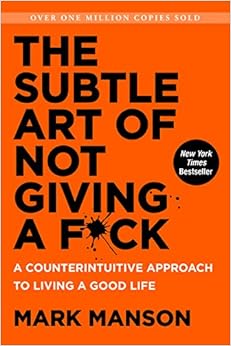
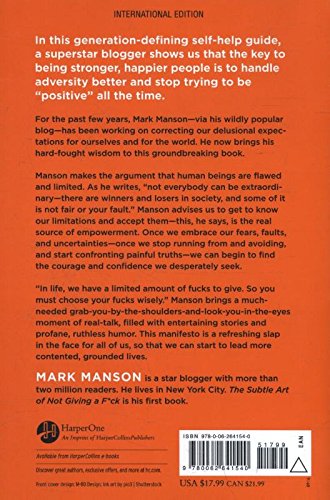
hey stoic brahs, just finished this book, finally got it after seeing it mentioned on misc and other places for awhile, not sure if on purpose or just coincidence but ALOT of what this guy says is really close to stoicism srs, good book for more modern take on stoic ideas, highly recommend
10-12-2020, 07:38 AM
-
#208
 10-12-2020, 08:34 PM
-
#209


Bookmarks
-

- Digg
-

- del.icio.us
-

- StumbleUpon
-

-

Posting Permissions
- You may not post new threads
- You may not post replies
- You may not post attachments
- You may not edit your posts